How Roster Depth Charts in Secondary Sports Reveal Untapped Talent Pipelines for NFL Backups, NBA Bench Units, and Premier League Substitutes
Written by Finley Butler · Nov 10, 2026
How Roster Depth Charts in Secondary Sports Reveal Untapped Talent Pipelines for NFL Backups, NBA Bench Units, and Premier League Substitutes
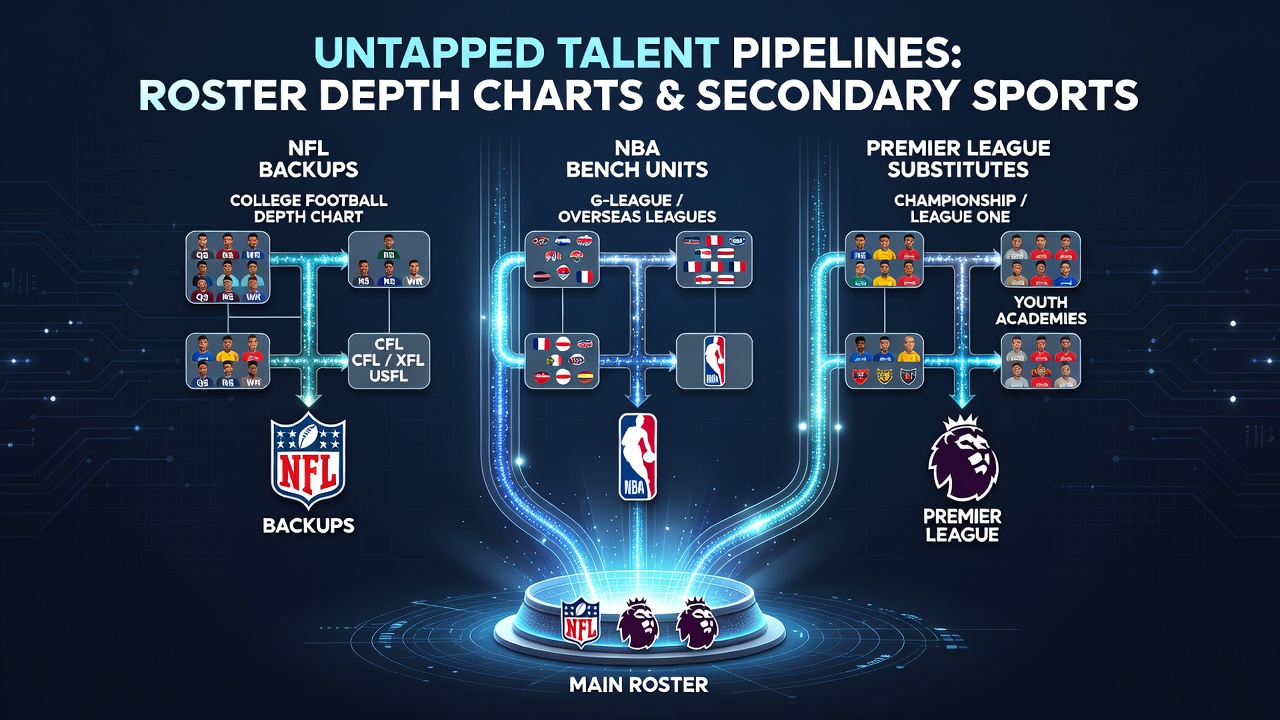
Depth charts in college football programs, NCAA basketball teams, and lower-tier European soccer leagues map out player hierarchies that often highlight prospects overlooked by initial scouting reports, and these structures feed directly into professional backup positions where raw potential meets opportunity. Observers note that secondary sports layers function as proving grounds because they track consistent performance under varying roles, from third-string quarterbacks to reserve forwards who log minutes during injury stretches. Data from the NCAA indicates that many eventual NFL backups first appeared on depth charts at positions two or three deep, where they refined skills without the pressure of starting duties, while similar patterns emerge in basketball conferences and soccer academies across Europe.
College Football Depth Charts and NFL Backup Development
College programs maintain detailed depth charts that update weekly based on practice metrics and game contributions, and these documents frequently surface quarterbacks or linemen who later fill NFL roles behind established starters. Researchers at major conferences track how players climb these charts over seasons, with November 2026 seeing several bowl-eligible teams adjust lineups around emerging talents projected for pro backup spots. One study revealed that athletes listed as second-string in their junior years posted higher efficiency ratings in subsequent professional seasons compared to those who started every game in college. This occurs because depth positions allow focused development on specific techniques, such as pass protection schemes or coverage responsibilities, without the full load of game planning. Figures from conference reports show increased transitions from Group of Five schools into NFL practice squads, where former depth chart regulars adapt quickly to specialized packages.
Basketball Bench Units and NBA Reserve Integration
NBA organizations review college depth charts and G-League assignments to identify perimeter players and big men who excel in limited minutes, and these evaluations often predict success in bench rotations during regular season stretches. Data shows that athletes averaging under 20 minutes per game in conference play demonstrate stronger shooting percentages and defensive versatility once they reach professional substitutes' roles. In November 2026, several teams adjusted their second units around rookies who previously occupied sixth-man spots on their college squads. Those who've studied this pattern know that bench exposure builds habits like quick decision-making under fatigue, which starters rarely develop at the same rate. Conference statistics further indicate that players moving from mid-major depth charts maintain steadier output in NBA summer leagues and preseason games.
Lower League Soccer Charts and Premier League Substitutes
Premier League clubs monitor depth charts from the Championship, League One, and youth academies to locate midfielders and defenders who provide tactical flexibility as substitutes, and these pipelines have grown more structured with centralized scouting databases. Performance logs from secondary divisions highlight players who rotate through multiple positions on weekly charts, building adaptability that proves valuable during congested fixture periods. A report from UEFA on player pathways notes higher retention rates for substitutes sourced from lower-league depth positions compared to those signed directly from top academies. This trend continues into the 2026-27 season, where several mid-table clubs rely on such acquisitions for rotational depth. What's interesting is how these charts also track recovery metrics and set-piece contributions, giving coaches granular data before promotion decisions.
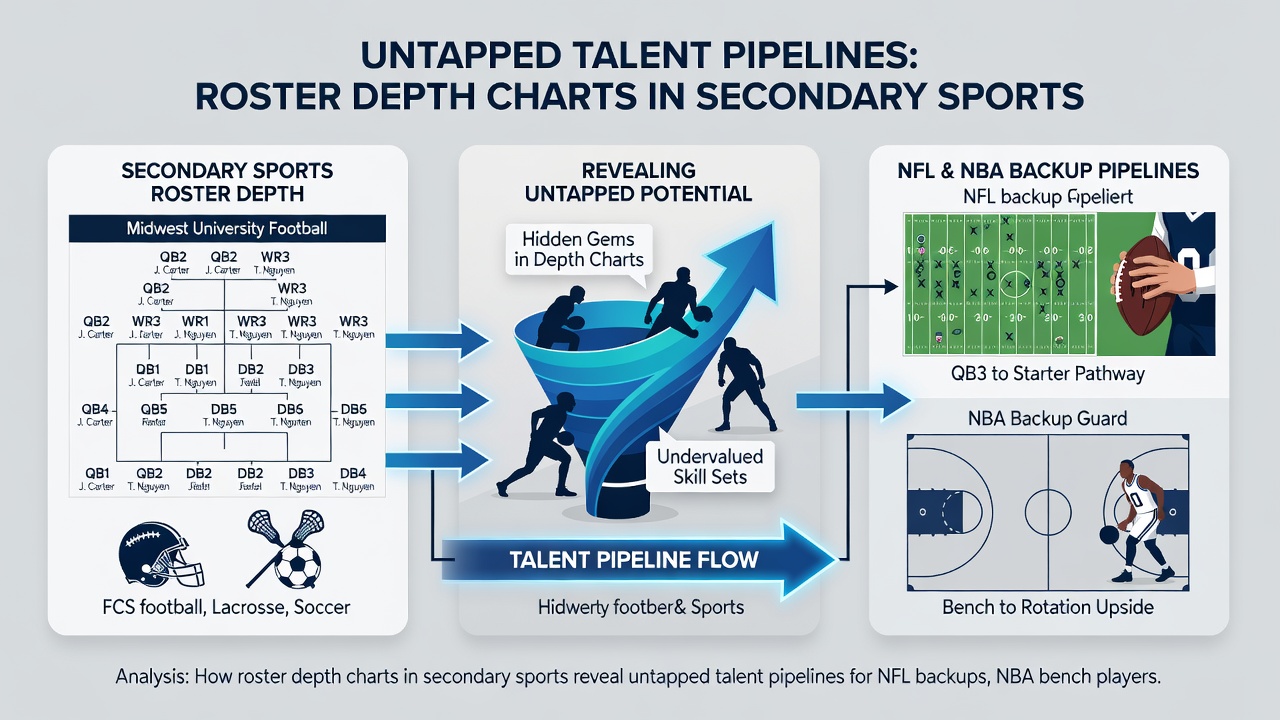
Coaches at the professional level cross-reference these lower-league records with video analysis and physical testing, which reveals athletes whose skills were masked by team systems in secondary competitions. Patterns emerge where players listed as utility options on depth charts transition into specialized substitute duties, such as late-game defensive reinforcements or energy providers off the bench. According to NCAA tracking data, similar multi-role experience in college programs correlates with faster adjustment periods for athletes entering NBA or NFL practice environments.
Cross-Sport Patterns in Talent Identification
Analysts compare depth chart movement across sports to identify common indicators of backup potential, including consistent practice performance and injury resilience. In football, basketball, and soccer, those who steadily advance from third-string to first-reserve status often exhibit superior work-rate metrics that translate directly to professional substitute roles. November 2026 schedules across these leagues have spotlighted several cases where previously underutilized athletes earned expanded minutes after depth chart promotions in their prior environments. Research indicates that organizations prioritizing secondary sport data reduce the risk of signing players who underperform in bench capacities. The ball's in the teams' court to integrate these insights into draft and transfer strategies, and early adopters have seen measurable improvements in rotation stability.
Conclusion
Depth charts from college conferences, G-League affiliates, and European lower divisions continue to supply reliable pipelines for professional backup positions because they document incremental progress and situational readiness. Organizations that systematically review these records gain advantages in identifying athletes suited for reserve duties across NFL, NBA, and Premier League contexts. As seasons progress into late 2026, these patterns remain central to roster construction and long-term development planning.